
Would you risk your family’s safety for a cheaper vacation? Many people ignore official warnings, but knowing the facts can save you from trouble. Taking the time to research keeps you safe.
The U.S. State Department has updated its travel advisories for places like Guatemala and Turkey. These updates warn about crime, terrorism, and health risks. Knowing these can help you stay safe while traveling.
Official reports give you insights that news often misses. This knowledge helps you make safer travel choices. By following travel safety tips, you can enjoy your journey without worry.
Key Takeaways
- Review updated U.S. State Department notices before booking international trips.
- Identify specific security threats in countries like Guatemala and Turkey.
- Use official reports to understand crime, terrorism, and health risks.
- Apply professional guidance to plan a safer and more secure journey.
- Monitor local alerts and news updates while visiting foreign destinations.
- Prioritize informed decision-making to protect your family during vacations.
Understanding Travel Advisories
Traveling abroad can be safer if you know about travel advisories. These are official messages from governments about the safety of countries you might visit. They tell you about the risks and conditions in foreign places.
What Is a Travel Advisory?
A travel advisory is a warning from a government to its citizens. It tells them about the dangers of traveling to certain countries or areas. These warnings are about things like crime, terrorism, health issues, and natural disasters.
The U.S. Department of State, for example, gives travel advisories to U.S. citizens. These advisories can be general or specific, warning about dangerous situations.
Why Are Travel Advisories Issued?
Travel advisories are meant to keep citizens safe. They warn about dangers like crime, terrorism, health problems, and natural disasters. For example, if a country has a lot of crime or terrorism, a government might issue a warning.
Key reasons for travel advisories include:
- Crime and violence
- Terrorism and kidnapping
- Health concerns and outbreaks
- Natural disasters and climate risks
Types of Travel Advisories
Travel advisories can have different levels of warning. The U.S. Department of State uses a four-level system:
| Level | Description | Example |
|---|---|---|
| Level 1 | Exercise normal precautions | Take usual safety precautions |
| Level 2 | Exercise increased caution | Be aware of heightened risks |
| Level 3 | Reconsider travel | Avoid non-essential travel |
| Level 4 | Do not travel | Avoid travel altogether |
Knowing these levels helps you make safer travel choices. It ensures a better journey for you.
How to Access Travel Advisories
To make your travels safe and worry-free, it’s key to know how to find travel advisories. These advisories share vital info on safety, health, and other issues at your destination.
Official Sources for Travel Advisories
The U.S. State Department’s website is a top place to find travel advisories. It gives detailed info on safety and security worldwide. You can also join the Smart Traveler Enrollment Program (STEP) for safety updates on your destination.
Here are some official sources for travel advisories:
- The U.S. State Department’s website
- The Centers for Disease Control and Prevention (CDC)
- Your country’s official travel advisory website
Tips for Staying Updated
It’s vital to keep up with the latest travel advisories for a safe trip. Here are some tips:
- Regularly check the official government websites for updates.
- Enroll in STEP or a similar program to receive alerts.
- Follow reliable news sources for info on your destination.
For a quick reference, here’s a comparison of key information sources for travel advisories:
| Source | Information Provided | Update Frequency |
|---|---|---|
| U.S. State Department | Safety and security conditions | As needed |
| CDC | Health advisories and vaccination requirements | Regularly updated |
| Local News | Current events and local conditions | Continuous |
By staying informed through these sources, you can make informed decisions about your travel plans. This way, you can stay safe while traveling.
Key Factors Considered in Travel Advisories
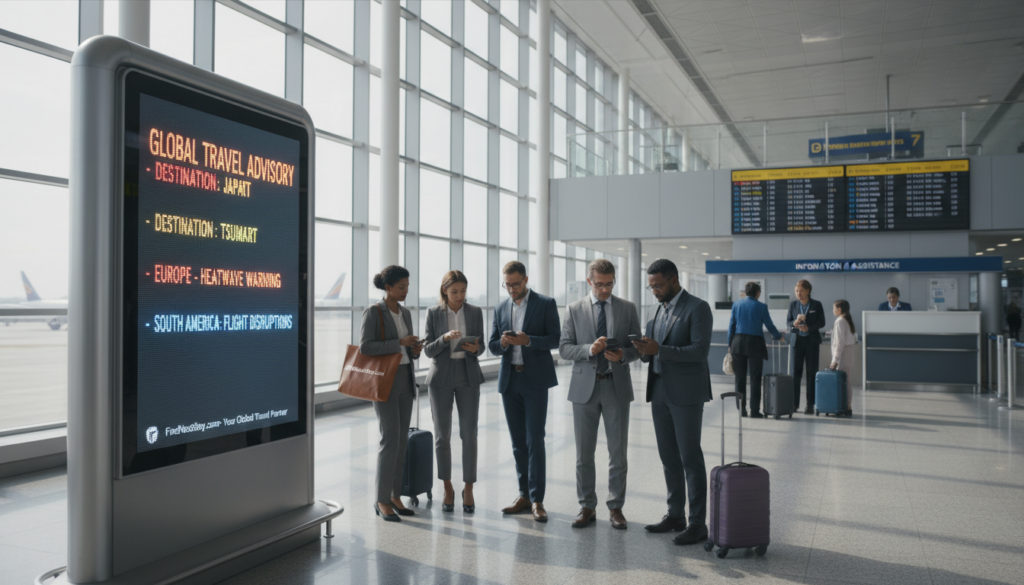
Travel advisories are important for planning your trips. Governments look at many factors to keep you safe while traveling. These factors can affect your safety and security abroad.
Political Stability and Safety
Political stability and safety are key in travel advisories. Countries with political unrest or high crime rates often get advisories. This warns travelers of dangers.
Places with terrorism or armed conflict risks also get advisories. It’s important to know about the local politics and safety.
The U.S. Department of State advises U.S. citizens to ‘exercise increased caution when traveling to countries with a high risk of terrorism or armed conflict.’
Political instability can make travel unpredictable. This makes it hard to stay safe while traveling.
Health Concerns and Outbreaks
Health concerns and outbreaks are big factors in travel advisories. Diseases like COVID-19 can quickly affect travel. Advisories warn about health risks and vaccination needs.
During the COVID-19 pandemic, many countries had travel restrictions. It’s important to follow local health guidelines to stay safe.
Natural Disasters and Climate Risks
Natural disasters and climate risks are also important. Countries at risk for hurricanes, earthquakes, or tsunamis get advisories. Knowing about these risks helps you prepare and stay safe.
For example, places at risk for hurricanes may advise caution during hurricane season. Being aware of these risks helps you plan better.
Understanding these factors helps you make safer travel choices. This way, you can have a safe and enjoyable trip.
Advisories for Popular Travel Destinations
Knowing about travel advisories for popular spots can greatly improve your trip. It’s key to keep up with the latest safety and security news as you plan.
Popular places often face unique challenges. Some might be at risk for natural disasters, while others could have health issues.
Europe: What Travelers Should Know
Europe boasts many famous spots, but travelers need to watch out for local issues. For example, Turkey, a country that spans two continents, has certain safety worries.
When visiting Europe, remember to:
- Keep up with local protests and demonstrations
- Be careful of pickpocketing in busy tourist areas
- Follow health guidelines, especially during outbreaks
Asia: Safety and Health Tips
Asia is a mix of cultures and landscapes, but safety and health tips vary. Be extra careful in places with health issues or political unrest.
For a safe trip to Asia, think about:
- Looking into local health needs, like vaccinations
- Steering clear of areas with safety risks
- Keeping an eye on weather advisories, like typhoons or monsoons
The Americas: Regional Insights
The Americas include everything from North America’s lively cities to South America’s green landscapes. Places like Guatemala have specific safety and security warnings.
When exploring the Americas, it’s smart to:
- Learn about local crime and areas to avoid
- Prepare for natural disasters, like hurricanes or earthquakes
- Follow health advisories, especially in outbreak areas
By being informed and taking precautions, you can have a safe and enjoyable trip to these popular spots.
Traveling During a Health Crisis
Traveling during a health crisis needs careful planning. You must know the latest health advisories and travel restrictions. It’s important to stay informed about health concerns and risk mitigation measures.
The COVID-19 pandemic has shown us how crucial it is to keep up with health advisories. Travel restrictions and health measures can change quickly. Knowing these changes is key for a smooth trip.
COVID-19 Travel Restrictions
COVID-19 travel restrictions differ by country and change often. Always check the latest travel advisories for your destination. This will help you understand the current restrictions.
Some countries have strict entry rules, like quarantine, testing, and vaccination proof. Knowing these requirements is vital to avoid travel complications.
| Country | Entry Requirements | Quarantine Measures |
|---|---|---|
| United States | Proof of vaccination or negative COVID-19 test | Variable, depending on the state |
| Canada | Proof of vaccination, ArriveCAN app | 14-day quarantine for unvaccinated travelers |
| European Union | EU Digital COVID Certificate | Varies by member state |
Vaccination Requirements for Travel
Vaccination is now a big part of international travel during the COVID-19 pandemic. Many countries require travelers to be fully vaccinated against COVID-19 to enter.
Make sure to check the vaccination requirements for your destination early. Some countries also need booster shots for travelers from certain countries or with specific travel histories.
Keeping up with the latest health advisories and travel restrictions is essential for safe travel during a health crisis. By understanding the requirements and taking precautions, you can reduce risks and have a safer trip.
Understanding Travel Insurance and Advisories

As you get ready for your trip, it’s key to know about travel insurance and advisories. Advisories warn about risks in certain places. The right insurance can help protect you from these risks.
Travel insurance helps with unexpected events like trip cancellations, medical emergencies, or delays. The U.S. Travel Association says it’s a vital safety net for travelers.
“Travel insurance can be a vital safety net for travelers, helping them recover from unexpected disruptions.”
Why Travel Insurance Matters
Travel insurance gives you financial security. If advisories advise against travel to certain areas, insurance can help with costs if you cancel. It also covers medical or other emergencies abroad, saving you from high expenses.
Key benefits of travel insurance include:
- Trip cancellation and interruption coverage
- Medical and dental coverage abroad
- Travel delay and missed connection coverage
- Luggage loss or damage coverage
How to Choose the Right Policy
Choosing the right policy depends on your travel type, destination, and planned activities. For adventure travel, you need a policy that covers adventure sports.
When picking a policy, carefully review the coverage details. Make sure it covers the risks at your destination. Also, understand the policy’s terms, including deductibles and claim process.
Some key considerations include:
| Coverage Type | Description | Importance Level |
|---|---|---|
| Medical Coverage | Covers medical expenses abroad | High |
| Trip Cancellation | Reimburses for trip cancellations | High |
| Travel Delay | Covers expenses due to travel delays | Medium |
Preparing for Travel with Advisories
Travel advisories are key to making smart travel choices. They help keep you safe while traveling. Knowing the latest advisories helps you prepare and avoid risks.
Checklist for Safe Travel
To have a safe and fun trip, follow this checklist:
- Join the Smart Traveler Enrollment Program (STEP) for safety updates.
- Keep up with local news and government advisories.
- Have both digital and physical copies of your important documents.
- Sign up with your country’s embassy or consulate in your destination.
Packing Essentials Based on Advisory Guidelines
Packing the right things can make your trip safer and more comfortable. Here are some essentials to consider:
- A first-aid kit with items for your destination’s health issues.
- Clothing and gear for the local weather and natural disasters.
- A portable charger and extra power for your devices.
- A travel adapter for charging in foreign outlets.
By following these tips and staying informed, you can lower travel risks. This way, you’ll have a safer and more enjoyable trip.
Dealing with Emergencies Abroad
Traveling can lead to unexpected emergencies. It’s vital to know how to handle them. Whether it’s a medical issue, a natural disaster, or a legal problem, being ready can change the outcome.
How to Reach Your Country’s Embassy
If you’re in an emergency abroad, contact your country’s embassy or consulate first. For U.S. citizens, the Department of State has a 24/7 Task Force for help. Registering with your embassy before you travel is key to get safety and security updates.
Here are some key steps to follow when reaching out to your embassy:
- Keep the contact information for your embassy handy, including phone numbers and email addresses.
- Understand the services your embassy can provide, such as replacing a lost or stolen passport or helping with emergencies like arrest or medical issues.
- Be aware that your embassy can offer guidance but may not be able to intervene in local legal processes.
Steps to Take in an Emergency
In an emergency, staying calm and following the right steps can help. Here are some general steps to consider:
- Assess the situation: Evaluate the severity of the emergency and determine the immediate actions needed.
- Contact local authorities: If necessary, reach out to local law enforcement, medical services, or other relevant authorities.
- Notify your embassy: As mentioned, contacting your country’s embassy or consulate is a crucial step for citizens abroad.
- Follow local instructions: Pay attention to and comply with instructions from local authorities, as they are best positioned to handle the situation.
Being prepared and knowing how to respond can make a big difference in emergencies abroad. Always stay informed, keep important contacts handy, and understand the resources available to you as a traveler.
Communicating with Loved Ones While Traveling
Traveling to places with changing advisories means staying in touch with family and friends is key. It’s not just for comfort; it’s essential. Knowing you can reach out can ease the stress of traveling, especially to risky areas.
Keeping in Touch When Advisories Change
Travel advisories can shift quickly due to many reasons like political issues, natural disasters, or health emergencies. It’s vital to quickly tell loved ones you’re safe. Regular updates can ease their worries and keep them informed.
It’s smart to pick a contact back home for emergencies. This person can update your family and friends, keeping everyone in the loop.
Using Technology to Stay Connected
Technology is crucial for staying in touch while traveling. Tools like social media, messaging apps, and video calls are great. Choosing the right tool depends on the internet in your destination and what you and your loved ones prefer.
Here are some top ways to stay connected:
- WhatsApp for messaging and voice calls
- Facebook and Twitter for quick updates
- Zoom or Skype for video calls
- Google Maps or Find My Friends for location sharing
For a better look at how different tech can help, check out this comparison:
| Technology | Primary Use | Internet Requirement |
|---|---|---|
| Messaging, Voice Calls | Yes | |
| Social Networking, Updates | Yes | |
| Satellite Phone | Voice Calls, Messaging | No |
By using these tech tools and strategies, travelers can keep strong bonds with loved ones, even when far apart. This makes travel more enjoyable and less stressful.
Future of Travel Advisories
Global travel is changing fast. It’s crucial to have accurate and timely travel advisories. Staying updated on international travel advice is key to your safety abroad.
Emerging Trends in Global Travel Safety
Travel safety trends are moving towards personalized and real-time info. Governments and travel groups are using tech to update advisories. This makes planning your trips safer and more confident.
Technology’s Growing Role
Technology is playing a bigger part in travel advisories. Advances in data and mobile tech mean more precise and timely advice. This tech integration will make your travels safer and more fun.
Keeping up with these changes helps you navigate global travel better. It ensures a safer and more enjoyable journey.