
Are you ready for your next adventure but unsure how to make it great? Effective planning is the secret to a memorable trip.
We know that preparation is key for any trip, whether it’s local or international. We want to give you invaluable travel tips to enhance your journey.
We’ll show you how to make the perfect itinerary and understand cultural sensitivity. Being flexible and open to new things can make any trip unforgettable.
Key Takeaways
- Plan your itinerary with flexibility to accommodate unexpected experiences.
- Research your destination to understand local customs and traditions.
- Pack efficiently, considering the climate and activities.
- Stay open to new experiences and cultural differences.
- Prepare for the unexpected with a positive attitude.
Research Your Destination Before You Go
Being well-prepared for your trip is key. Knowing your destination well can greatly improve your travel experience.
Understand Local Customs and Etiquette
It’s important to know local customs and etiquette to avoid offense. For example, in some places, finishing a meal completely is seen as rude. It means the host didn’t provide enough food. Learning these customs helps you fit in better.
In Japan, greeting with a bow is common. The length and depth of the bow show respect. Knowing this can improve your interactions with locals.
Learn Basic Phrases in the Local Language
Learning basic phrases in the local language is helpful. Saying “hello,” “thank you,” and “excuse me” shows respect. Locals often appreciate the effort to speak their language.
Knowing key phrases can also be useful in emergencies. For example, knowing how to say “help” or “where is the nearest hospital?” can be very important.
Check the Weather and Dress Appropriately
Always check the weather forecast before you travel. This ensures you’re ready for any weather, like rain, snow, or heat.
It’s also important to know the local dress code. Some places have strict rules, like covering your head or wearing loose clothes. For example, in many Islamic countries, women must cover their heads and wear modest clothing.
| Aspect | Considerations | Tips |
|---|---|---|
| Local Customs | Understand cultural norms and practices | Research local etiquette and traditions |
| Language | Learn basic phrases | Use phrasebooks or translation apps |
| Weather | Check forecasts and pack appropriately | Choose versatile clothing |
Create a Flexible Itinerary
Planning your trip needs a balance between structure and flexibility. A good plan makes travel smoother and more fun. But being too strict can mean missing out on great things.
Knowing the difference between must-see spots and hidden gems is key. Famous landmarks and museums are big draws. But local spots and secret neighborhoods offer unique experiences.
Must-See Attractions vs. Hidden Gems
It’s tempting to fill your trip with famous sights. But don’t forget to explore local favorites too. In a city like New York, visit Times Square, but also check out the High Line or Greenwich Village.
| Attraction Type | Examples | Benefits |
|---|---|---|
| Must-See Attractions | Statue of Liberty, Central Park | Iconic experiences, great for photos |
| Hidden Gems | Local cafes, street art in alleys | Unique experiences, less crowded |
Allocate Time for Downtime
Time for downtime is essential for a balanced trip. Rushing from place to place is tiring. Downtime lets you relax and enjoy your surroundings.
For example, relax at a local café or park after a busy day. It helps avoid burnout and lets you enjoy local culture.
Stay Open to Spontaneity
Being open to spontaneity is key in flexible planning. The best travel moments often come from unexpected events. Whether it’s finding a local festival or taking a detour, new experiences make your trip richer.
Embracing spontaneity lets you explore and discover new things. It makes your trip more memorable and fun.
Budgeting for Your Trip
A well-planned budget is key to a great trip. Knowing our expenses helps us enjoy our journey without worrying about money.
First, setting a realistic budget is important. We need to think about transportation, where we’ll stay, food, and activities. Researching average prices in our destination helps us plan better. For example, knowing the cost of meals and attractions helps us budget right.
Setting a Realistic Budget
To set a good budget, we should know what we want to do. Do we want to see historical sites, try local food, or relax in nature? Planning our spending based on our interests makes our trip better. Here’s a simple way to break it down:
- Transportation: flights, trains, car rentals
- Accommodation: hotels, hostels, vacation rentals
- Food: dining out, groceries
- Activities: entrance fees, guided tours
By organizing our spending, we can manage our budget better and make changes if needed.
Hidden Costs to Watch Out For
Travel often has unexpected expenses. Additional fees like baggage charges, tourist taxes, or tips can add up. Knowing about these costs helps us budget better.
| Category | Potential Hidden Costs |
|---|---|
| Transportation | Baggage fees, fuel surcharges |
| Accommodation | Resort fees, cleaning fees |
| Food | Service charges, taxes |
Knowing about these extra costs helps us plan better.
Currency Exchange Tips
When traveling abroad, we often need to exchange currency. To get the best rates, we should compare exchange rates among different providers. Some places offer better rates than others.
Using ATMs or credit cards with no foreign transaction fees can also save us money. It’s smart to have some local currency when we arrive.
By being mindful of our budget, understanding hidden costs, and using smart currency exchange strategies, we can have a stress-free and enjoyable trip.
Packing Essentials: What to Bring
Packing right is key to a great trip. It makes your journey smoother and less stressful. This way, you can enjoy your trip more.
Smart Packing Strategies
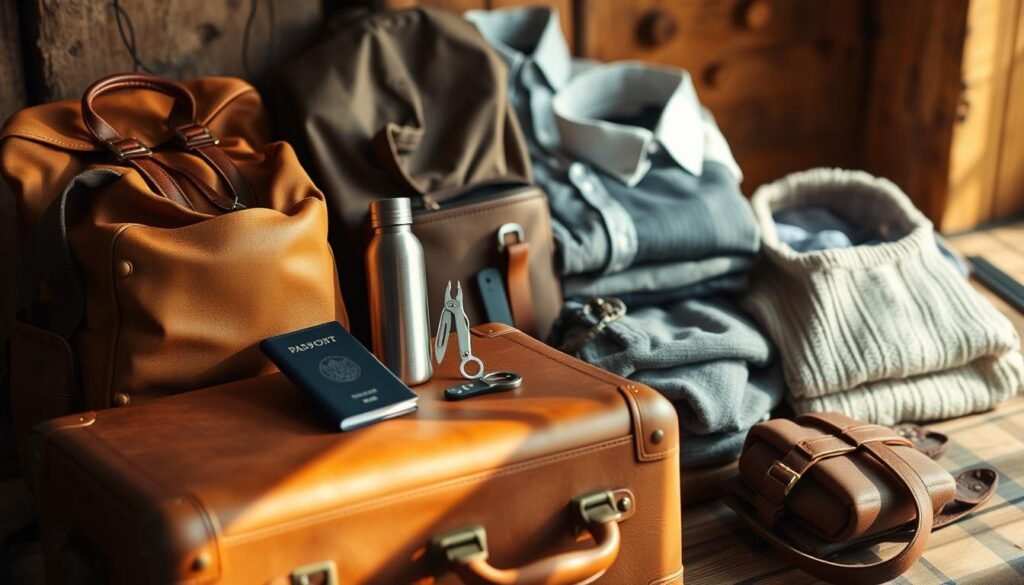
Smart packing means using items that do more than one thing. For example, a sarong can be a blanket, towel, or even a dress. Packing cubes also help keep your luggage organized and easy to search through.
Key packing strategies include:
- Packing clothes that can be mixed and matched
- Rolling clothes to save space and reduce wrinkles
- Using packing cubes for organization
- Including multipurpose items in your luggage
Top Must-Have Travel Gear
Good travel gear makes your trip better. You’ll need comfy shoes, portable chargers, and a reliable backpack. These items make your journey more comfortable and easy.
Top travel gear includes:
- Comfortable and versatile clothing
- A portable charger for your devices
- A sturdy and comfortable backpack
- Travel adapters for different countries
Tips for Packing Light
Packing light saves you from heavy luggage. Bring only the essentials and wear your heaviest items on the plane. Limiting your bags or luggage size also helps.
Additional tips for packing light:
- Plan your outfits in advance to avoid overpacking
- Use travel-sized toiletries
- Avoid packing unnecessary items
- Consider doing laundry during your trip
Staying Connected While Traveling
Traveling to new places means we need to stay connected. This is for finding our way, keeping in touch with loved ones, or sharing our adventures online. Having the right tools and strategies is key.
Best Apps for Travelers
Many apps make traveling better and more fun. For getting around, Google Maps is great, with detailed maps and traffic updates. For talking in different languages, Google Translate is a lifesaver.
Apps like TripIt help organize your trip plans. And Duolingo can teach you basic phrases in the local tongue.
International Roaming vs. Local SIM Cards
Travelers face a big choice: international roaming or a local SIM card. Roaming is easy but can be pricey. Buying a local SIM is cheaper and better for longer trips.
It’s smart to check with your carrier about roaming costs. And think about getting a local SIM for better value.
Wi-Fi Access: Where to Find It
Reliable Wi-Fi is vital to avoid high data costs. Cafes, restaurants, and public spots often have free Wi-Fi. Some countries have public Wi-Fi everywhere.
Apps like Wi-Fi Map show you where to find Wi-Fi. But always protect your data with a VPN when using public Wi-Fi.
Navigating Transportation Options
Traveling to new places means knowing how to get around. Whether you’re alone or with friends, knowing your transport choices can make your trip better.
Choosing Between Flights and Other Modes
For long trips, flying is usually the fastest way. But trains and buses might be cheaper and more scenic. Think about what you need and can afford before choosing.
| Mode of Transport | Speed | Cost | Scenic Route |
|---|---|---|---|
| Flights | Fast | High | No |
| Trains | Moderate | Moderate | Yes |
| Buses | Slow | Low | Yes |
Local Transportation: Tips for Getting Around
After you arrive, figuring out local transport is key. Looking up your options before you go can save you a lot of trouble. You can use public transit, taxis, or even rent a bike. Knowing how locals move around can make your trip better.
Car Rentals: What You Need to Know
Getting a car can be handy, but it’s important to know the rules. This includes insurance, fuel, and extra costs. Look at different companies and read what others say to choose wisely.
- Check the rental agreement carefully
- Understand the insurance coverage
- Be aware of any additional fees
By thinking about these things and picking the best transport, you can have a great trip.
Health and Safety Precautions
Keeping ourselves safe while traveling is key for a worry-free trip. When we visit new places, we need to think about things that could affect our health.
Travel Insurance: Is It Necessary?
Getting travel insurance can give us peace of mind. It helps cover unexpected medical or travel costs. Knowing what your policy includes is important. This includes things like trip cancellations, medical emergencies, and lost luggage. Here are some main benefits:
- Financial protection against trip cancellations or interruptions
- Coverage for medical emergencies and evacuations
- Reimbursement for lost, stolen, or damaged luggage
Keeping Your Valuables Safe
To avoid losing or having things stolen, we need to protect our valuables. Using hotel safes and being careful with our belongings, even in crowded spots, is smart. Keeping important documents safe is also key.
Here are some ways to keep your valuables safe:
- Using a money belt or a secure wallet
- Keeping copies of important documents in a safe place
- Being cautious with our belongings in public places
Staying Healthy on Your Journey
Staying healthy while traveling means being prepared and aware. Drinking water, eating well, and resting enough are important. Knowing about local health issues and taking steps to protect ourselves is also vital.
Here are some tips to stay healthy:
- Drink plenty of water and avoid undercooked food
- Get vaccinated before traveling to certain destinations
- Practice good hygiene, such as frequent handwashing
Making the Most of Local Cuisine
Traveling and trying local food is a treat for our taste buds. It also helps us understand the local culture. Local dishes show the history and traditions of a place, making travel more meaningful.
Must-Try Dishes for Food Lovers
Every place has its own special dishes that food lovers must try. From street food to fancy restaurants, local cuisine offers a wide range of flavors. Some dishes you should not miss include:
- Regional Specialties: These are dishes native to the area, made with local ingredients.
- Street Food: It’s affordable and tasty, a great way to taste local flavors.
- Traditional Desserts: These sweets are part of the local culture and often use unique ingredients.
Food Safety Tips While Traveling
Trying local food is a big part of traveling, but we must be careful to avoid getting sick. Here are some tips to stay safe:
- Choose Busy Stalls: Places that are busy are more likely to have fresh food.
- Avoid Raw or Undercooked Food: Raw or undercooked meat, seafood, and eggs can be risky.
- Drink Bottled or Filtered Water: Tap water might not be safe to drink everywhere.
| Food Safety Tip | Description |
|---|---|
| Check the cleanliness of the eating area | Make sure the restaurant or food stall is clean and well-kept. |
| Observe food handling practices | Watch how food is handled and prepared to ensure it’s safe. |
| Avoid food that’s been left out | Be careful of food that’s been out for a long time. |
How to Find Local Restaurants
Finding real local restaurants can be tricky, but there are ways to find them. Here are some tips:
- Ask Locals: Asking people who live there for recommendations is a great way to find authentic places.
- Check Online Reviews: Websites and apps with reviews can help you find popular local spots.
- Explore Neighborhoods: Walking around local areas can help you discover hidden gems.
By following these tips, we can enjoy local food while traveling. This ensures a memorable and safe dining experience.
Cultural Sensitivity While Traveling
Traveling to new places means we must respect the local culture and customs. Being culturally sensitive makes our trips better and our interactions with locals more meaningful. It’s not just about not offending people; it’s about truly connecting with the local way of life.
Respecting Local Traditions
When we travel, respecting local traditions is key. This means knowing and following local customs, like removing shoes in temples or homes. Knowing these customs helps us avoid unintentionally upsetting locals.
Learning about local traditions also deepens our understanding of the culture and its history. It’s a chance to talk with locals, ask questions, and show we care about their culture.
Dress Codes in Different Countries
Dress codes differ a lot around the world. In some places, you need to dress modestly, like in many Middle Eastern countries. Women are often expected to cover their heads and wear loose clothes.
Knowing the local dress code helps us pack right and avoid unwanted attention. It shows respect for the culture and can make our interactions better.
Understanding Etiquette in Social Situations
Social etiquette can be tricky and changes with each culture. For example, using your left hand when eating is rude in some places. Not finishing a meal can also be seen as a sign of disrespect.
Knowing these details helps us feel more confident in social situations. It’s about being respectful and thoughtful of local customs, leading to more enjoyable interactions.
Photographing Your Journey
Every trip offers a chance to capture special moments through photography. We see amazing landscapes, vibrant cultures, and unforgettable experiences. Photography lets us document our travels and share our stories.
Tips for Great Travel Photos
To take amazing travel photos, think about lighting and composition. Natural light is usually the best, so shoot during the golden hour or early morning. Try different angles and perspectives to add depth. Don’t hesitate to get close to capture the details that make a place unique.
Knowing your camera or smartphone settings can improve your photos. Learn about ISO, aperture, and shutter speed to get the look you want. Also, watch the background to improve your photos’ quality.
Being Respectful When Taking Pictures
When taking photos of people or sacred sites, be respectful. Always ask for permission, which is key in cultural or religious settings. Knowing local customs helps avoid offense. The goal is to capture memories, not intrude.
Some places have rules about photography, so know them. Being considerate lets you enjoy capturing your travel moments without harming the places you visit.
Organizing and Sharing Your Photos
After taking your photos, organizing and sharing them is a great way to relive your trip. Start by sorting your photos into albums or folders by location or event. Use photo editing software to improve your images’ quality and look.
Sharing your photos with friends and family is easy through social media or blogs. Add captions or stories to your photos to give context and make them more interesting. By sharing your travel photos, you can inspire others to explore and have their own memorable experiences.
Managing Travel Stress
Managing travel stress is key to enjoying your trip. Travel can be stressful due to flight delays, cultural changes, and new places. It’s important to find ways to stay calm.
Deep breathing exercises and meditation are great for reducing stress. You can do them anywhere, like in a busy airport or on a long flight. They help calm your mind and lower anxiety.
Techniques for Staying Calm
Staying calm while traveling needs preparation and mindfulness. Here are some tips:
- Practice mindfulness by focusing on the present moment. Let go of worries about the past or future.
- Do physical activity like walking or yoga to release tension.
- Use travel apps that teach you relaxation techniques.
Preparing for Flight Delays and Changes
Flight delays and changes can cause stress. Being ready can help reduce this stress.
| Preparation Tip | Description |
|---|---|
| Stay Informed | Sign up for flight alerts and stay updated on your flight’s status. |
| Pack Essentials | Keep important items like chargers, medications, and a spare set of clothes in your carry-on. |
| Have a Backup Plan | Look into other flights or travel options if your flight is delayed. |
Importance of Self-Care While Traveling
Self-care is important while traveling. It keeps you physically and mentally healthy. Make sure to get enough rest, eat healthy meals, and stay hydrated.
Also, enjoy the local culture and don’t overpack your schedule. This makes your trip more relaxed and enjoyable.
Sustainable Travel Practices
When we travel, we must protect the beauty of our destinations. Sustainable travel means making choices that are good for the environment and local people.
Eco-Friendly Choices
Choosing eco-friendly options is a key part of sustainable travel. This includes using less plastic and picking products with less packaging. These actions help reduce our impact on the planet.
Supporting Local Communities
Helping local economies is also important. By using local businesses, we support the communities we visit. This ensures our money helps them thrive.
Preserving the Environment
We must respect local ecosystems and cultures. Being mindful of our actions helps preserve the beauty of our destinations. This way, we ensure future generations can enjoy them too.
By following these sustainable travel tips, we can make a big difference. Let’s embrace eco-friendly practices to travel responsibly and enhance our experiences.